-
admin
- 2023-07-26

-
admin
- 2023-08-06
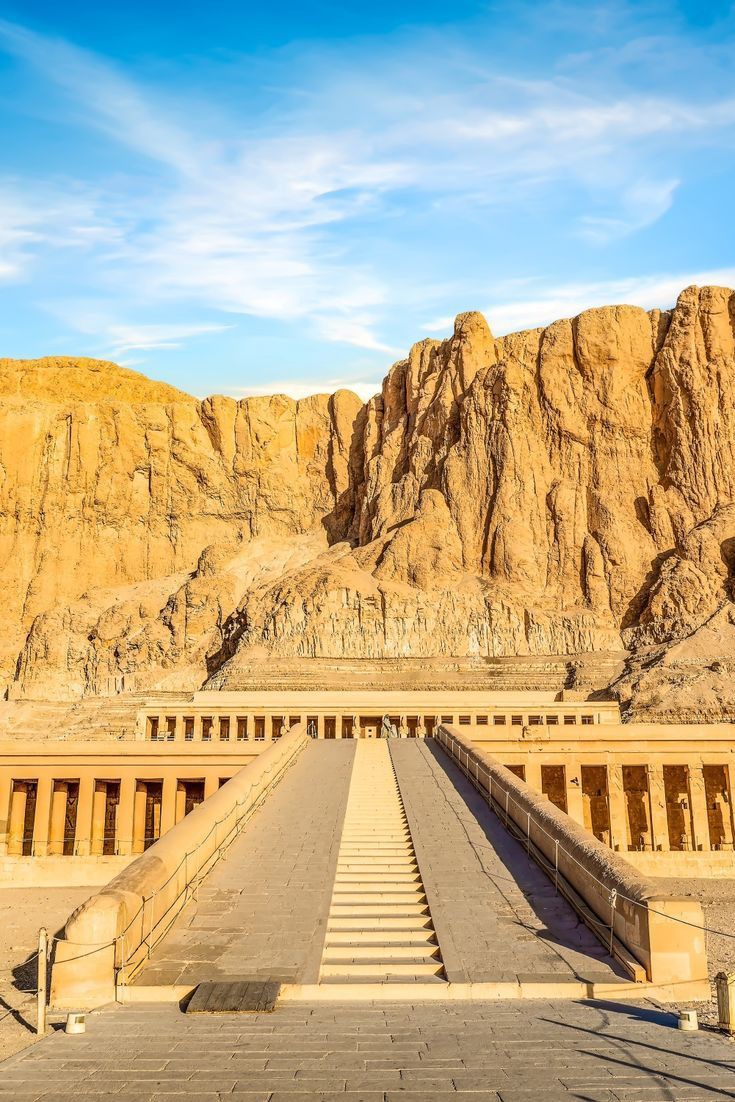
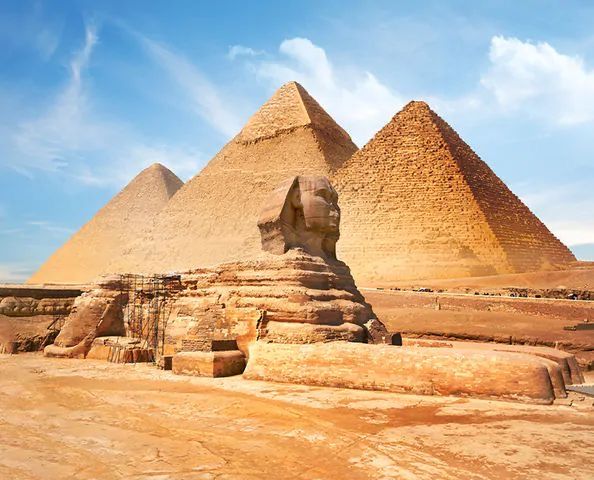
The temple of Hatshepsut (reigned 1472–58 BCE) at Dayr al-Baḥrī is the earliest large 18th-dynasty structure to survive and one of the most impressive. There in the bay of cliffs, next to the pyramid-temple of Mentuhotep II, the queen’s architect Senenmut designed (c. 1473) a series of colonnades and courts on three levels. The approach from the valley led through an avenue of sphinxes, and in the forecourt was a garden planted with trees and vines. On either side of the sloping ramp leading to the next level, against the terrace face, was a gallery whose roof was supported on a double row of columns; a similar gallery ran along the westward side of the court on the next level, with side chapels dedicated to Anubis and Hathor
-
admin
- 2024-03-27
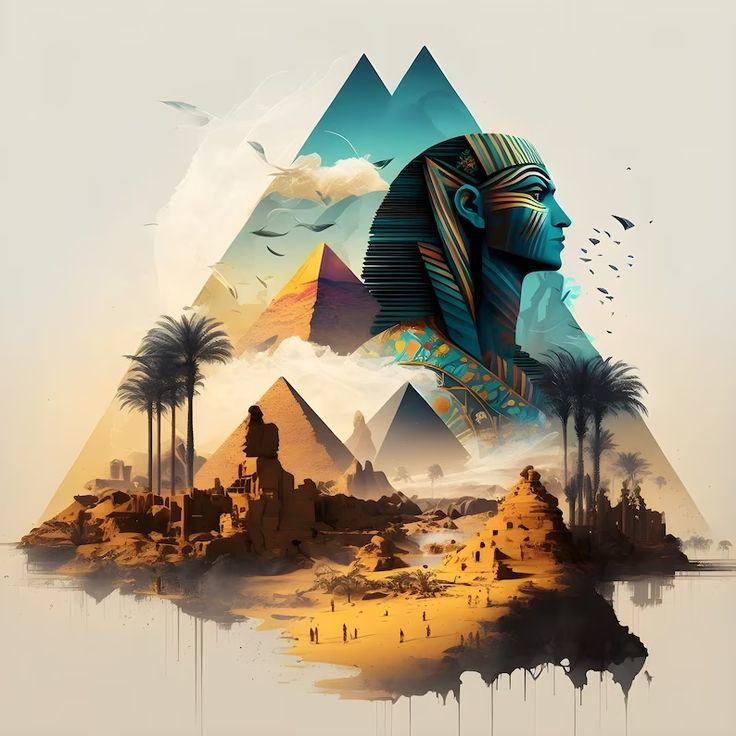
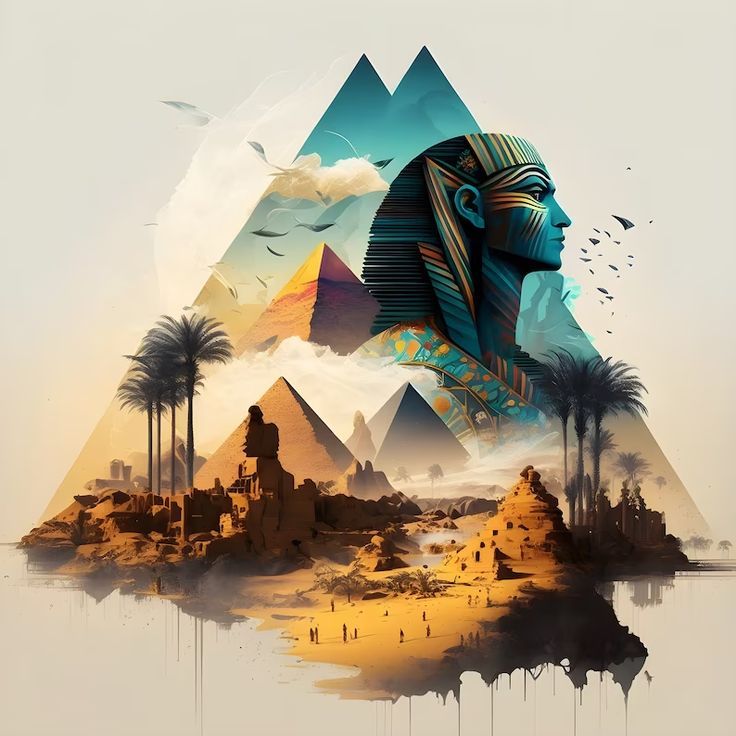
If you're a lover of exploration, adventure, and archaeology, and haven't had the chance to see the Egyptian Pyramids, you've missed witnessing a great discovery of ancient civilizations! The Egyptian Pyramids are a massive and magnificent structure to a degree your mind can't comprehend, stirring wonder among scientists and researchers worldwide. Even to this day, scientists haven't been able to explain how such a massive structure was built in ancient times before the technology and machinery used in construction today. There has been extensive discussion about these pyramids worldwide by scientists and researchers in numerous books, indicating their greatness and splendor. In this article, we'll take you on a short journey around the construction of these pyramids...
The Egyptian Pyramids are essentially tombs built by the ancient Egyptians, believing that their kings acted as intermediaries between them and the gods, necessitating the preservation of the king's body even after death. It was an ancient belief that a part of the king's soul remained with his body, and to properly care for his soul, they constructed these massive tombs, the "pyramids," and embalmed the bodies of the kings, burying everything they might need in the afterlife, such as golden vessels, food, furniture, and other items they might require. The construction of the Egyptian Pyramids took place over 2700 years, starting from the era of the ancient state and the Third Dynasty ruling family, until the end of the Old Kingdom and the Sixth Dynasty in the period (2686 - 2325 BC). The Great Pyramid is considered one of the Seven Wonders of the World.
Why was the Great Pyramid classified as one of the Seven Wonders of the World?
Anyone unfamiliar with the details of the construction and its mysteries may wonder about its classification as one of the Seven Wonders of the World. But delving into the details of its construction and inner composition, you will understand the reasons that made it the most famous and important monument in the world. Some of these reasons include:
1. The weight of each stone in the pyramid ranges from 2 tons to 15 tons!
2. The number of stones in the pyramid is approximately 2 million and 600 thousand stones. Can you imagine the magnitude of the construction!
3. The height of the pyramid is 149.4 meters, equivalent to a 48-story skyscraper.
4. The weight of the granite stone in the King's Chamber roof is approximately 70 tons, and scientists have not been able to understand how this stone reached such weight at that height!
5. The height of the pyramid is 149.4 meters, while the distance between the sun and the earth is 149.4 million kilometers!
6. The location of the pyramid is in the middle of five continents.
7. The entrance passage of the pyramid points to the North Pole star, and the internal corridor points to the southern shaft star.
8. Food does not decay when placed in the King's Chamber.
9. Metal sharpens when left in the King's Chamber for a certain number of hours!
10. plants growing up inside faster than out side
11. If the perimeter of the pyramid is divided by its height, or the perimeter of the King's Chamber is divided by the height of the pyramid, or the perimeter of the sarcophagus is divided by its height, the result is always 3.14!
12. According to the astronomical system, the Great Pyramid is located under the largest star in the sky.
13. The pyramid reflected a bright light at night because it was coated with a white color.
These are some of the reasons that made the Great Pyramid one of the wonders of the world that science has not yet explained.
-
admin
- 2024-03-27
Stunning beaches, exceptional locations, moderate climate, and a civilization like no other... When Egypt is mentioned, the first thing that comes to your mind is the Pyramids, Pharaohs, and the Sphinx, indicating the magnificence of Egypt's civilization and history. But Egypt is not only distinguished by this; it possesses natural elements more stunning than any other country. Its tourist activities vary from sports, cultural, therapeutic, historical, entertainment, and many other activities... It has become a distinctive tourist destination where tourists come from all over the world throughout the year. In this article, we will discuss the most important tourist areas in Egypt.
1-Red Sea Beaches: The Red Sea beaches in Egypt are a fantastic choice for divers and swimmers who love traveling around the world due to their warm waters, stunning coral reefs, fish, and breathtaking natural landscapes that captivate everyone who sees them.
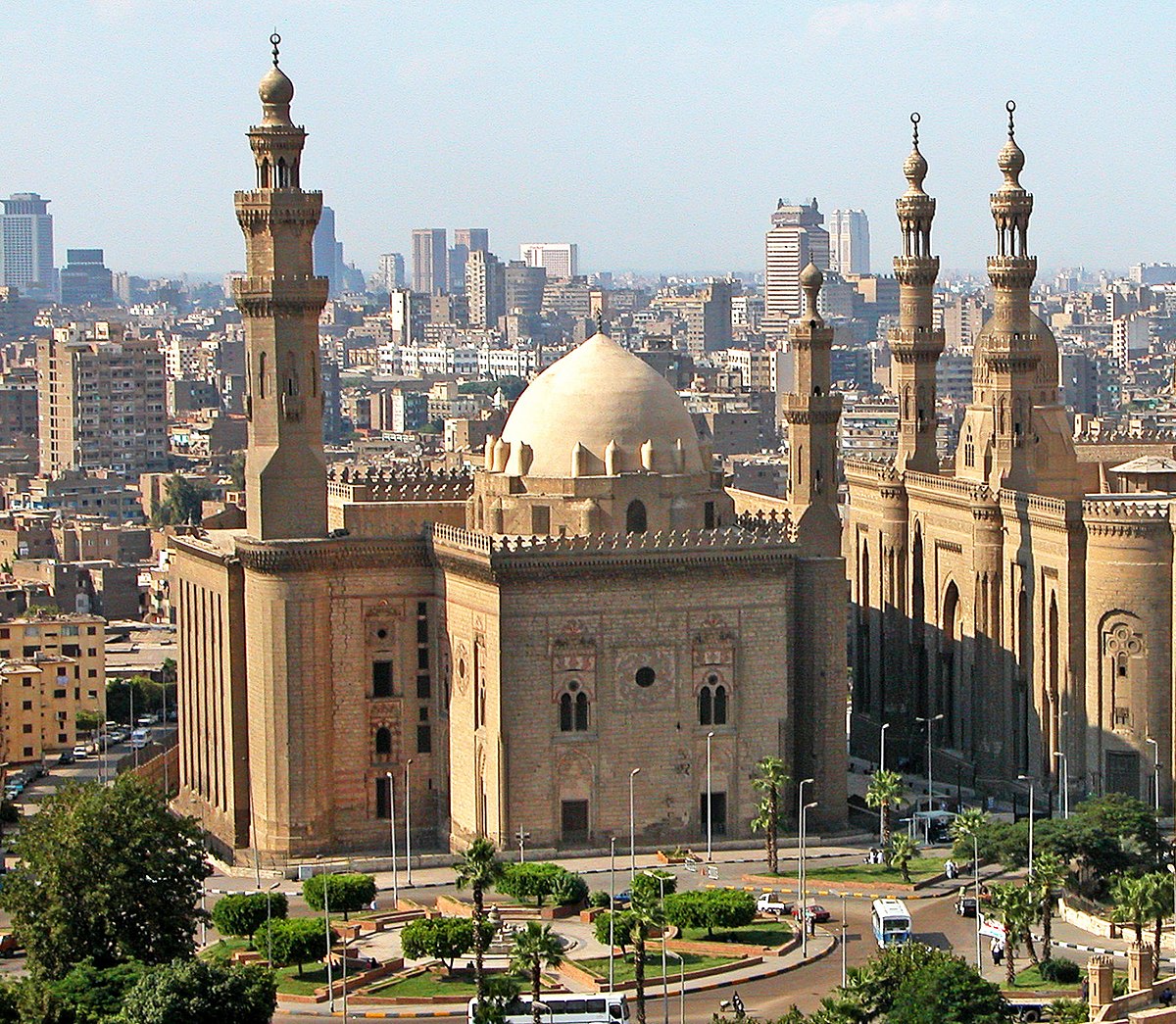
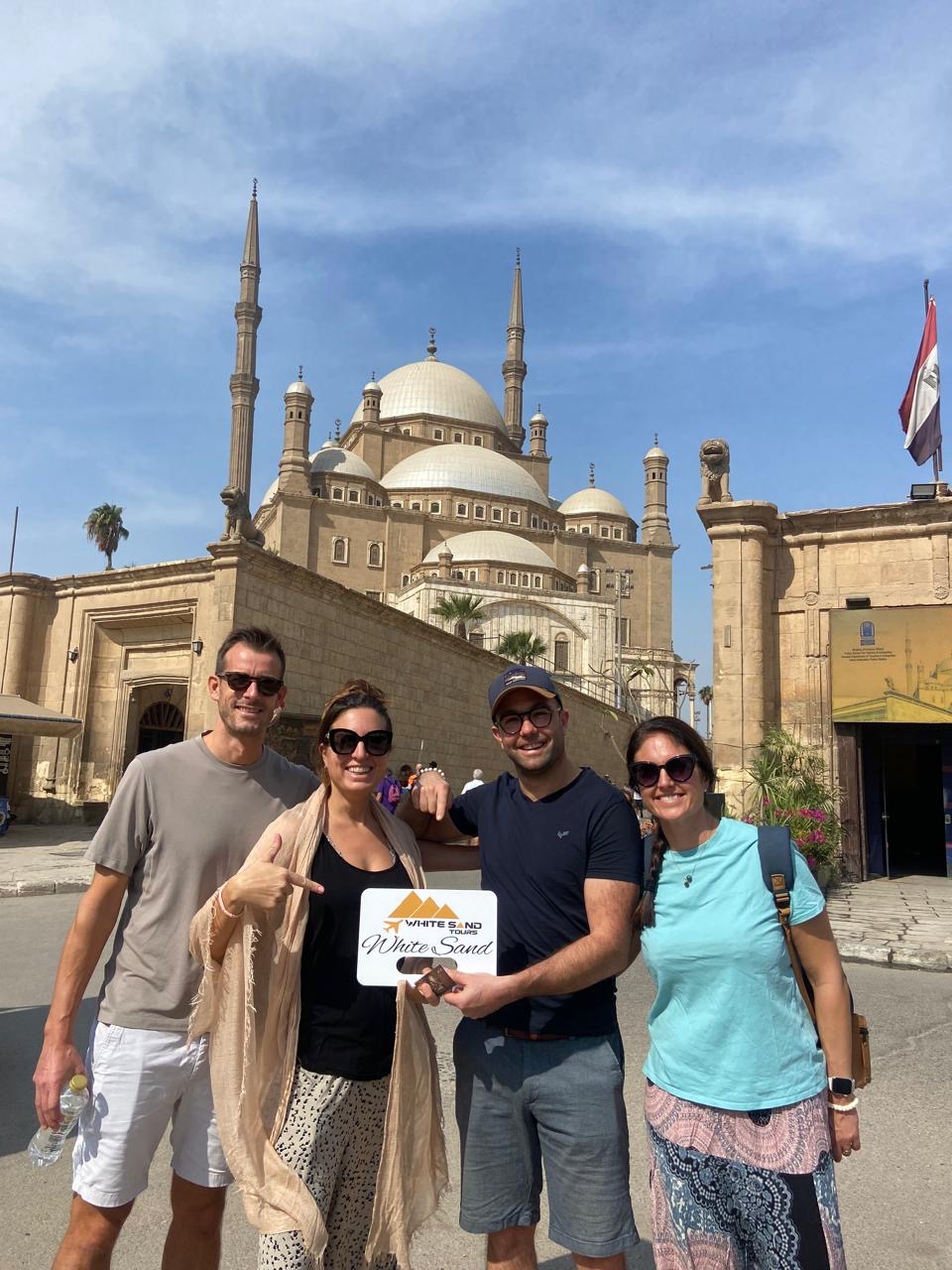
2-Salah El-Din Citadel: One of the most important landmarks in Islamic Cairo and among the oldest military fortresses built in the Middle Ages. Its strategic location on the Muqattam Mountain provides a magnificent view of all the historical landmarks of Cairo.
3-Aswan: Aswan is one of the most beautiful tourist cities in Egypt, especially in winter. It is characterized by many beautiful tourist attractions filled with artifacts, civilizations, traditions, and Nubian villages distinguished by magnificent sand dunes that captivate the tourists.
4-Luxor: Located in Luxor are one-third of the world's monuments because it is the capital of ancient and modern Egypt. Almost every corner of Luxor is filled with monuments, the most important of which are the Valley of the Kings, the Temple of Hatshepsut, and the Karnak Temple.
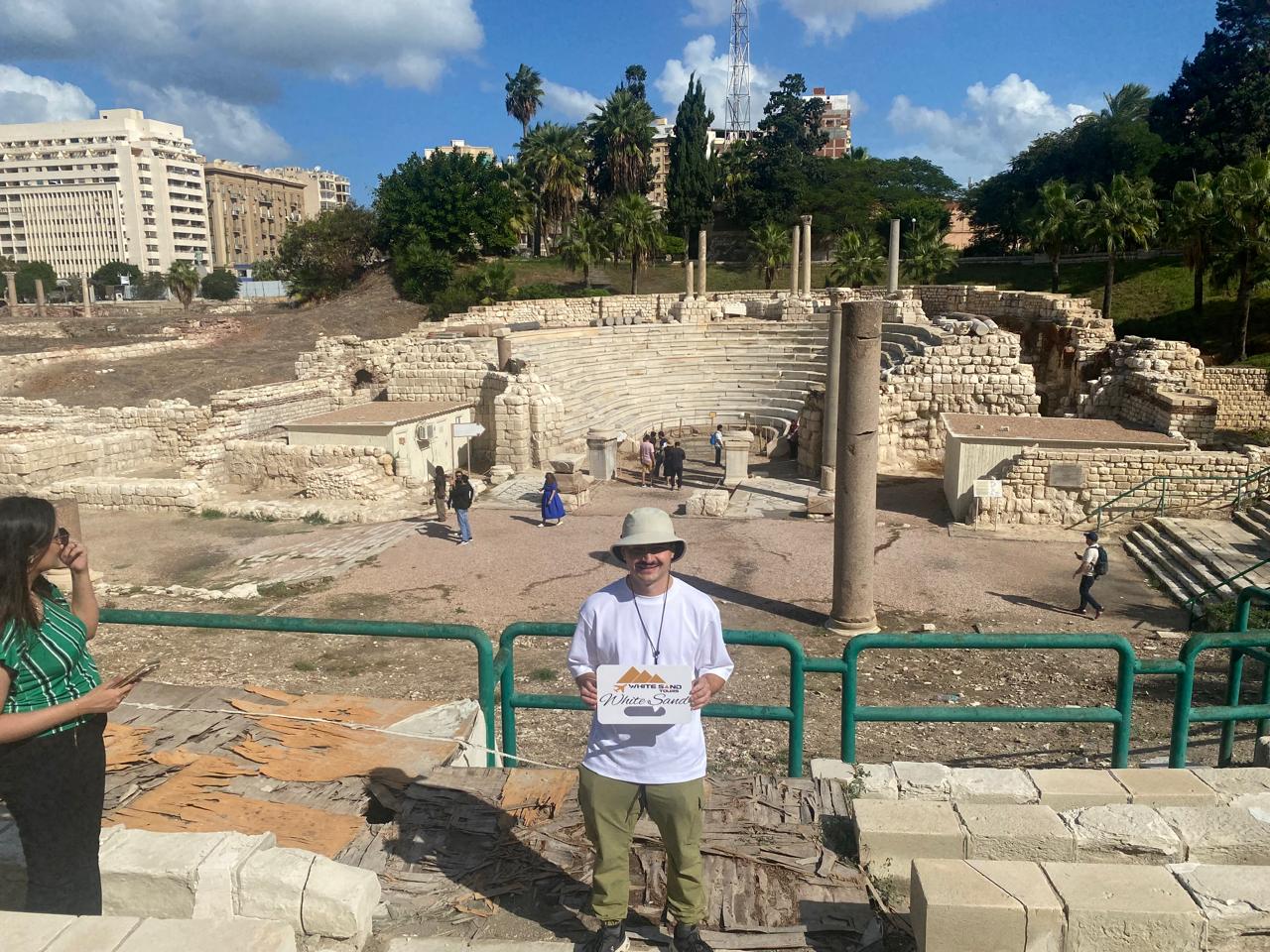
5-Alexandria City: Known as the Bride of the Mediterranean, it is a city rich in history and beauty located on the coast of the Mediterranean Sea. Founded by Alexander the Great and named after him, it is a masterpiece of art that has preserved its charm over the ages.
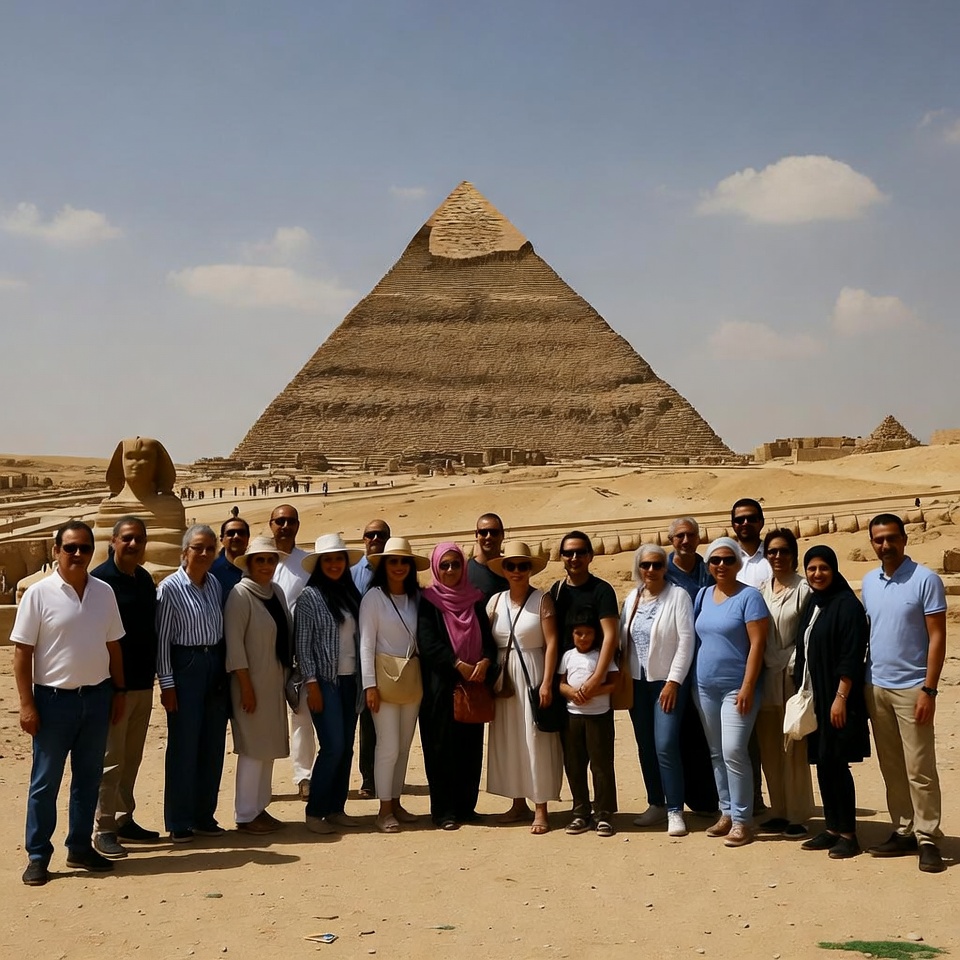
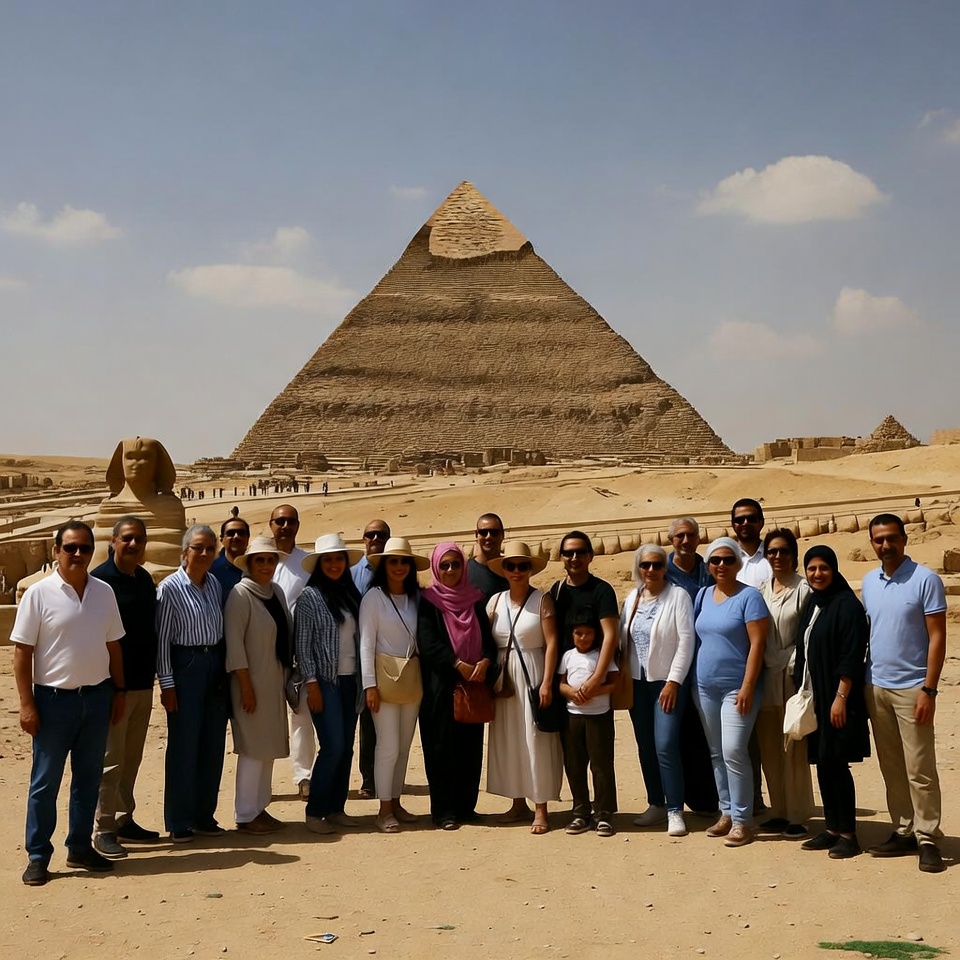
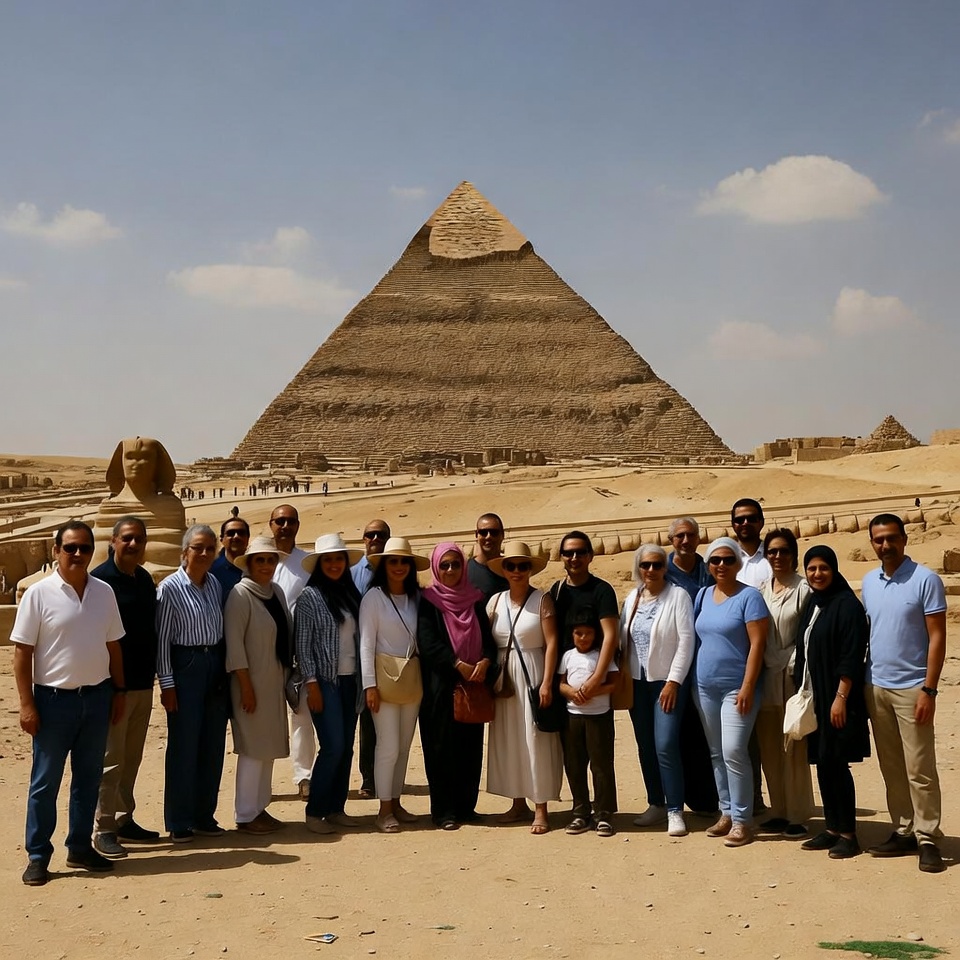
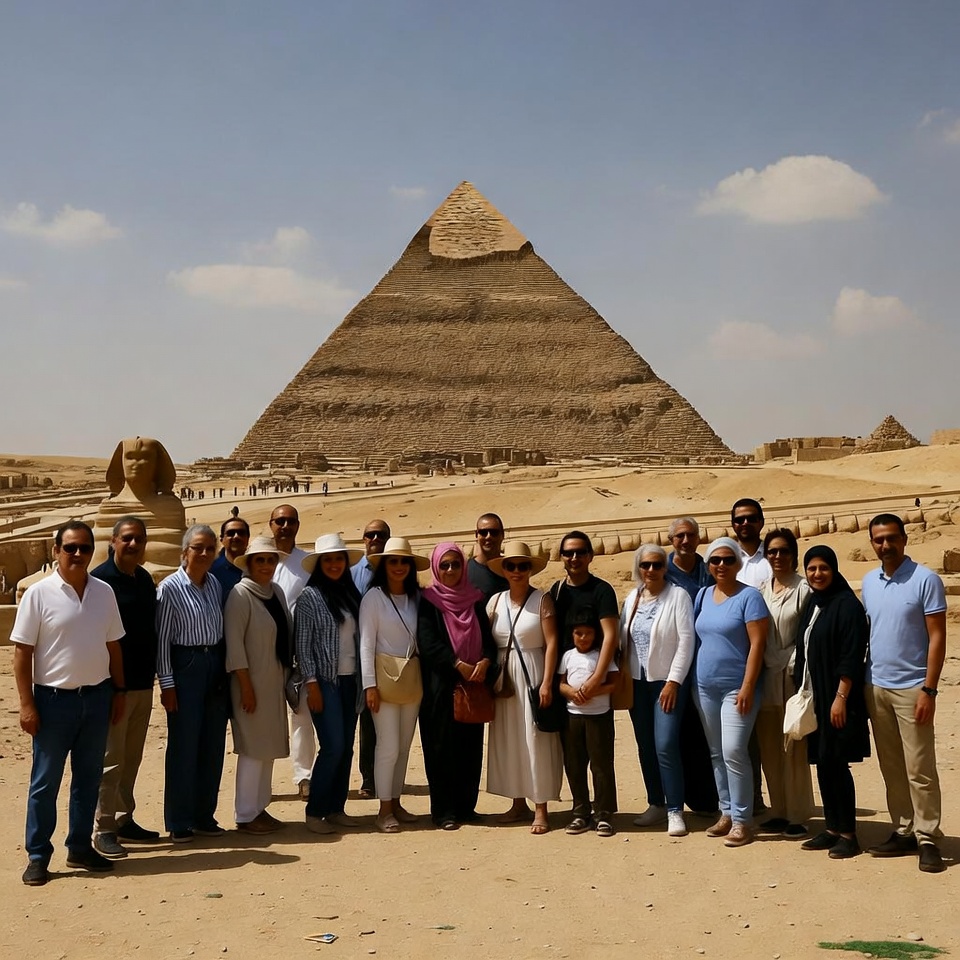
6-Pyramids of Giza: Considered the most famous destination in Egypt and one of the Seven Wonders of the World, they are massive and amazing tombs built by the ancient Egyptians. Visitors can also visit the tombs of the Pharaohs and see the statue of the Sphinx.
7-Marsa Matrouh City: Marsa Matrouh is famous for its stunning beaches, making it one of the best tourist cities in Egypt with activities. Among its most important beaches are Cleopatra Beach and Agiba Beach, both breathtaking and captivating.
8-North Coast: The North Coast is one of the most beautiful beach resorts in Egypt, located in the north. It is distinguished by its soft golden sands and turquoise waters, along with several charming villages.
9-Hurghada: Tourism in Hurghada is one of the most important and best places for tourism in Egypt, both externally and internally. Its strong attraction to tourists is due to the beauty of its beaches and the clarity of its waters filled with colorful coral reefs that are captivating.
10-Dahab: Dahab is one of the cities of South Sinai located on the Gulf of Aqaba and has a special charm and strong attraction. Tourists come to it from all over the world. It is a city of magic, beauty, and tranquility. If you sit on the beach of Dahab, you have moved to another world.

-
admin
- 2025-09-20
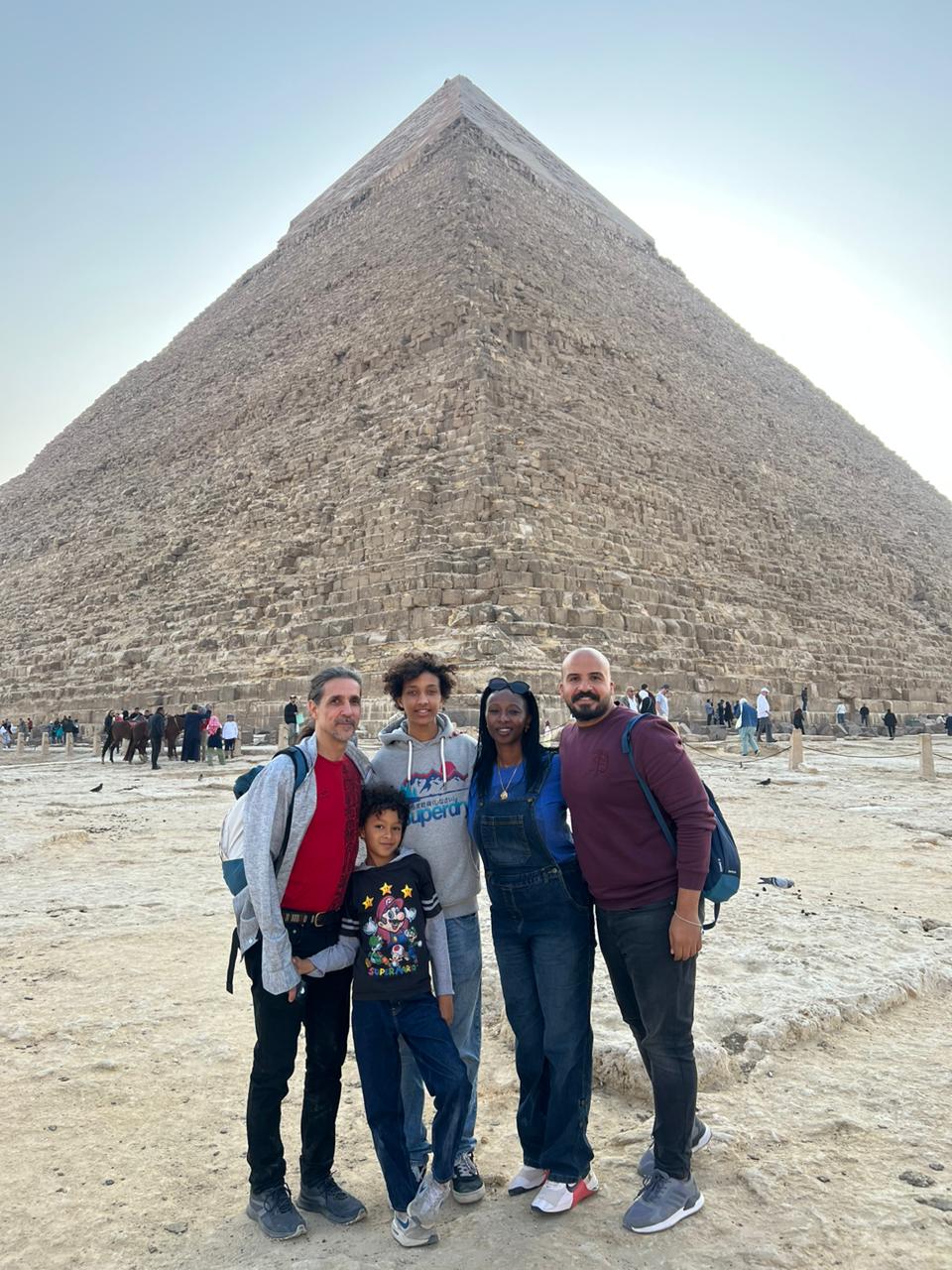
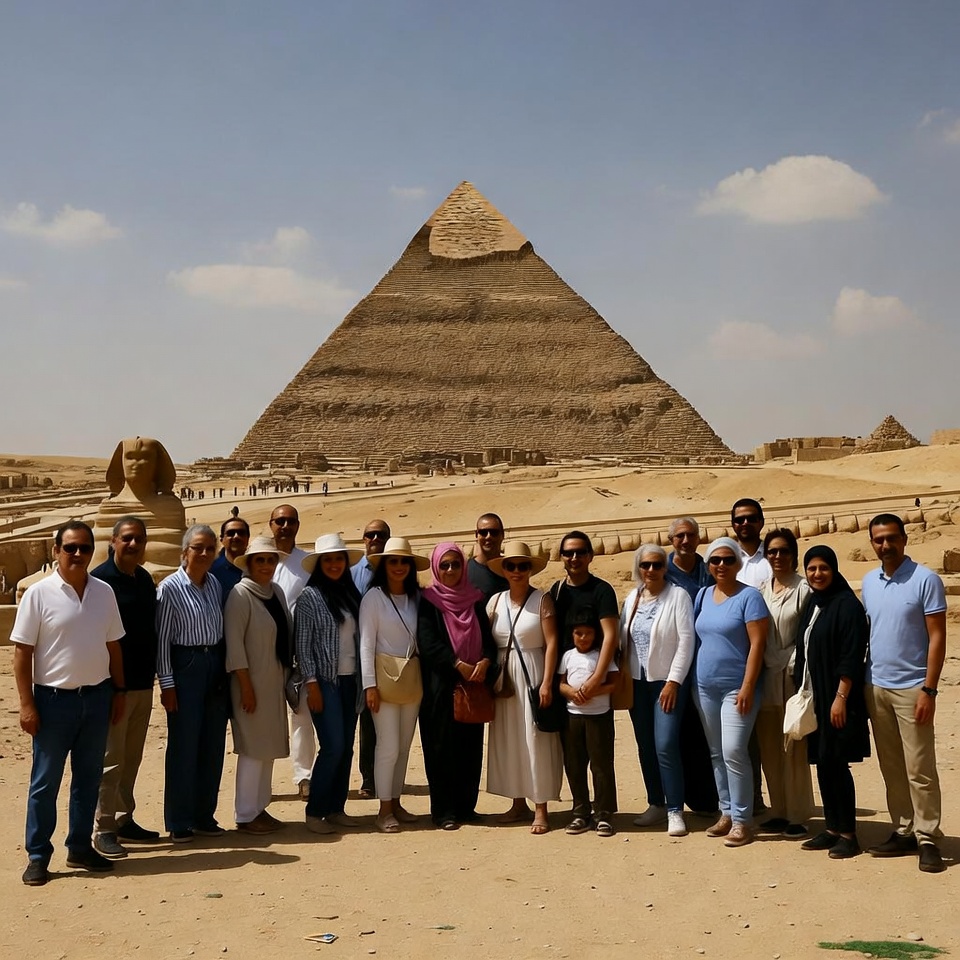
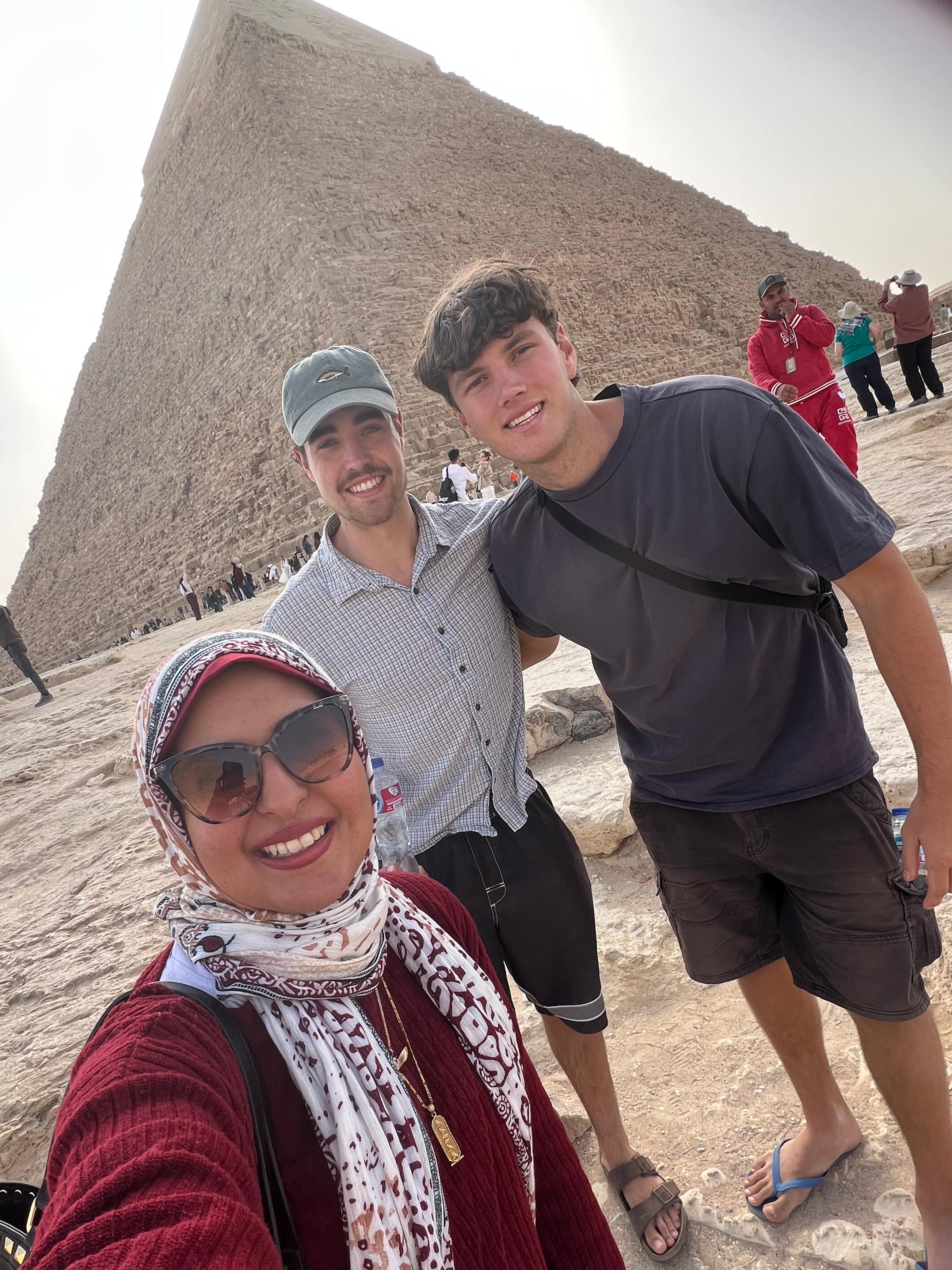
The Pyramids of Giza, one of the Seven Wonders of the Ancient World, stand as Egypt’s most iconic monuments.
Built over 4,500 years ago, the Great Pyramid of Khufu, the Pyramid of Khafre, and the Pyramid of Menkaure
showcase the architectural brilliance of ancient Egypt. Visitors can also marvel at the Great Sphinx, guarding the
plateau with timeless mystery. With White Sand Tours, explore the secrets of the pyramids, their hidden chambers,
and breathtaking desert landscapes
-
admin
- 2025-09-20
Tours with White Sand Tours_
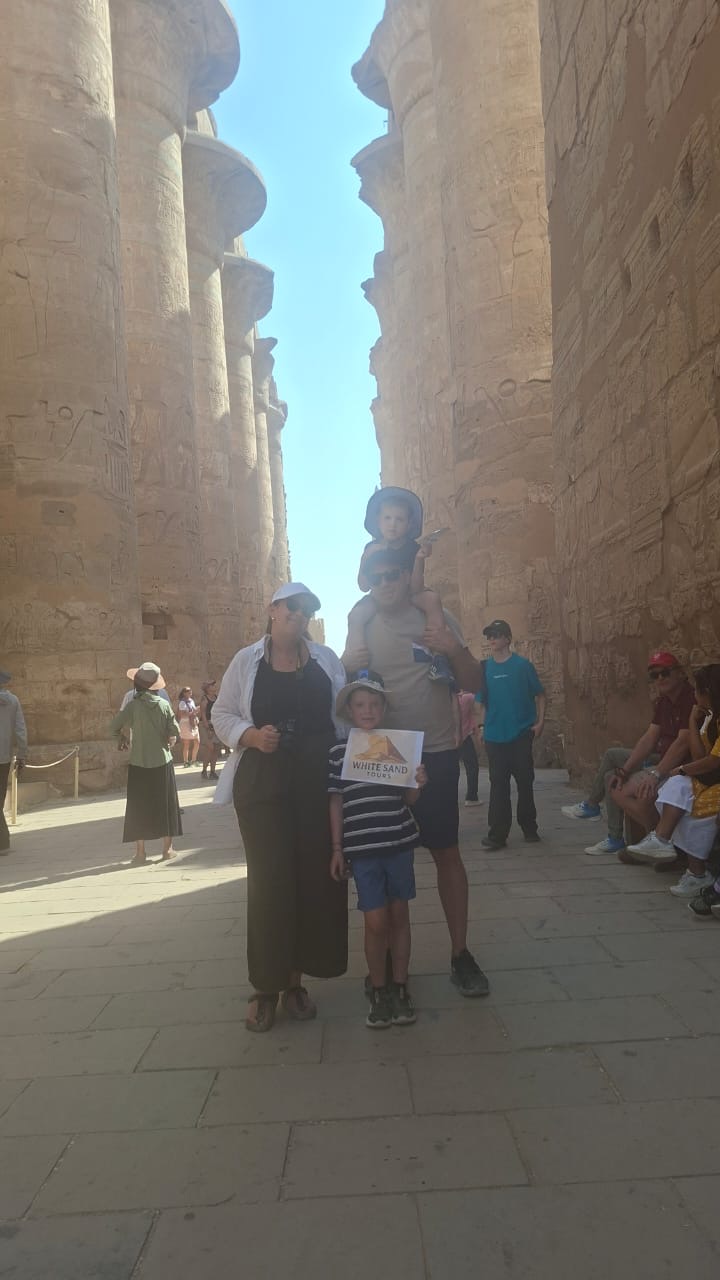
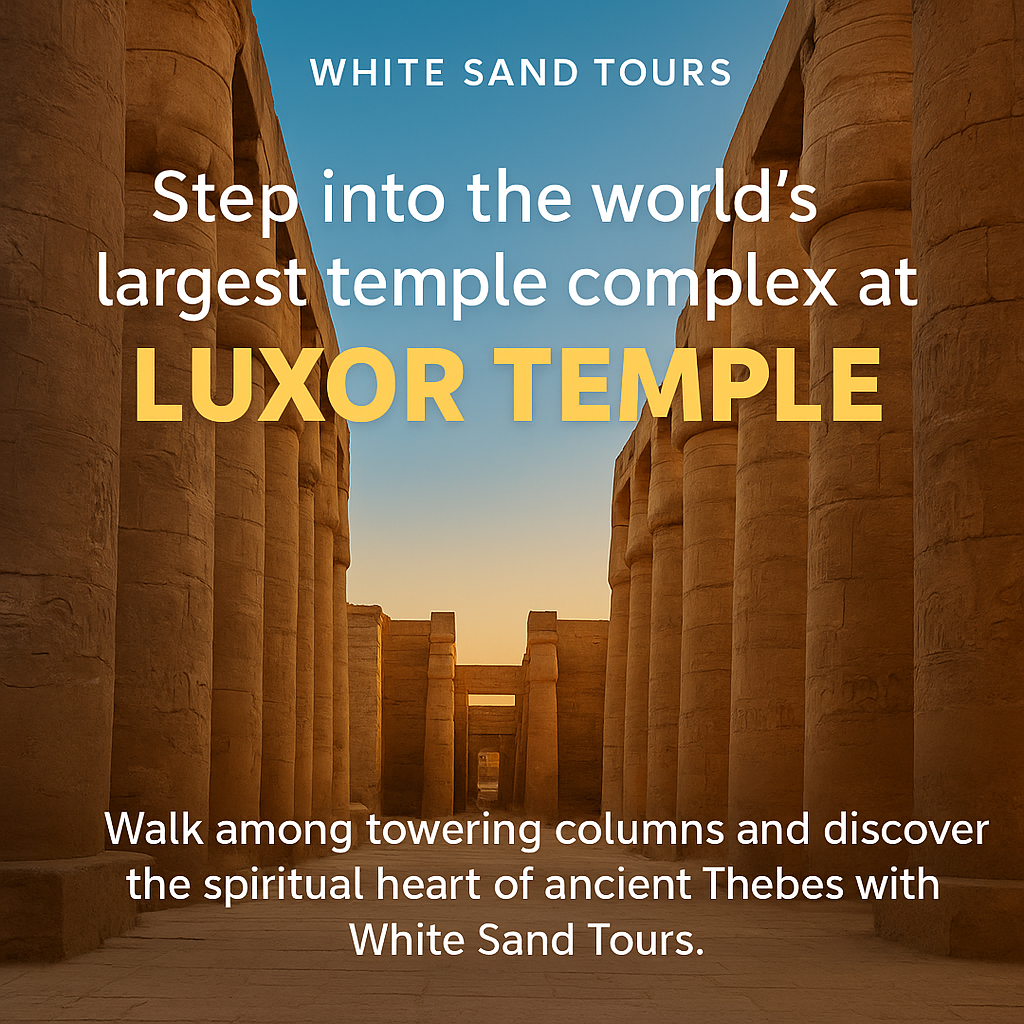
Karnak Temple
The Karnak Temple Complex is one of the largest religious sites in the world and a masterpiece of ancient Egyptian
architecture. Built over 2,000 years by successive pharaohs, it is dedicated mainly to the god Amun-Ra. Visitors
marvel at the Great Hypostyle Hall with its 134 massive columns, sacred lakes, and towering obelisks. At White
Sand Tours, our expert guides bring Karnak to life, explaining how it served as the spiritual heart of Thebes and a
center of ancient power.